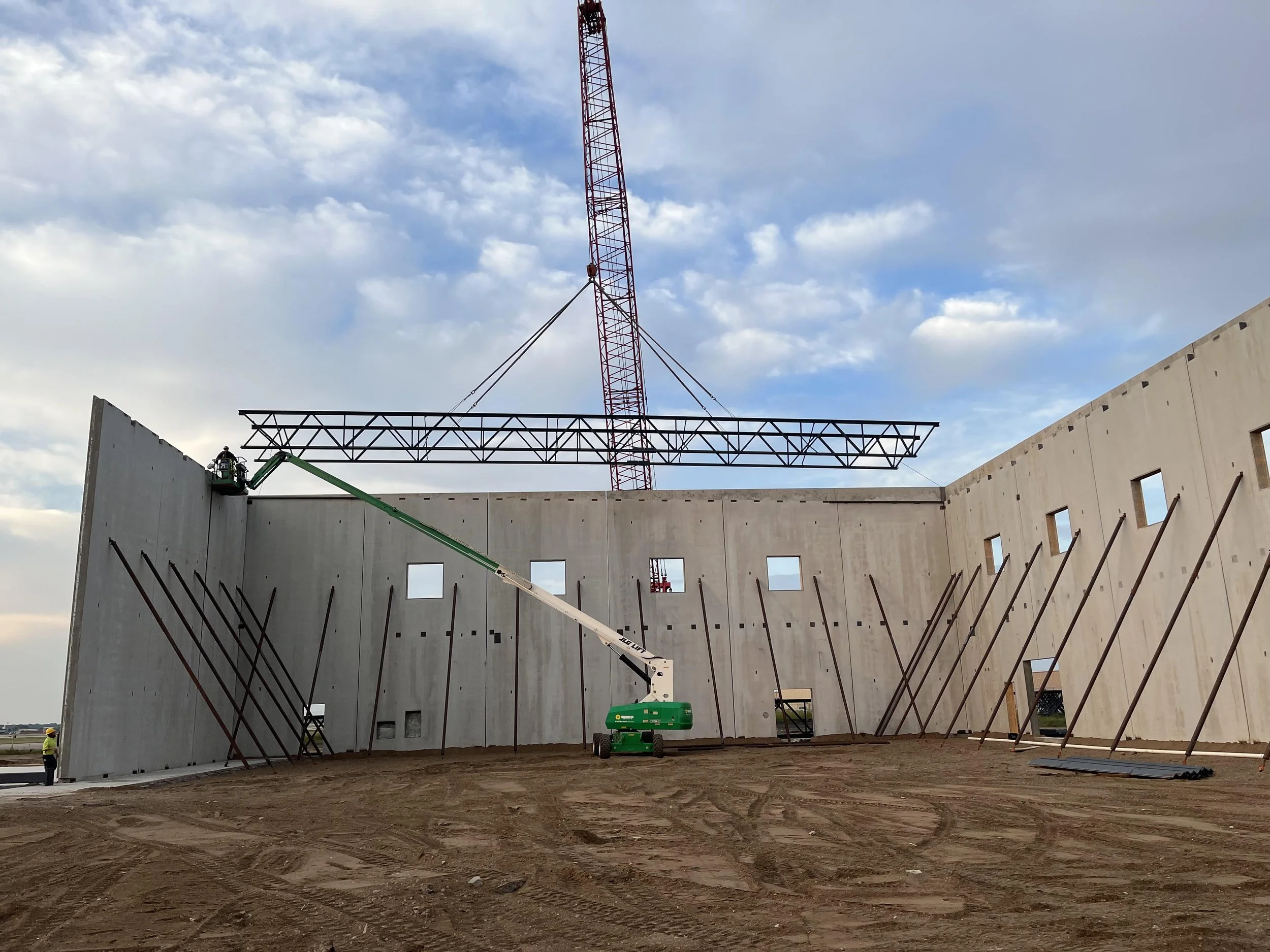
Tilt-up construction
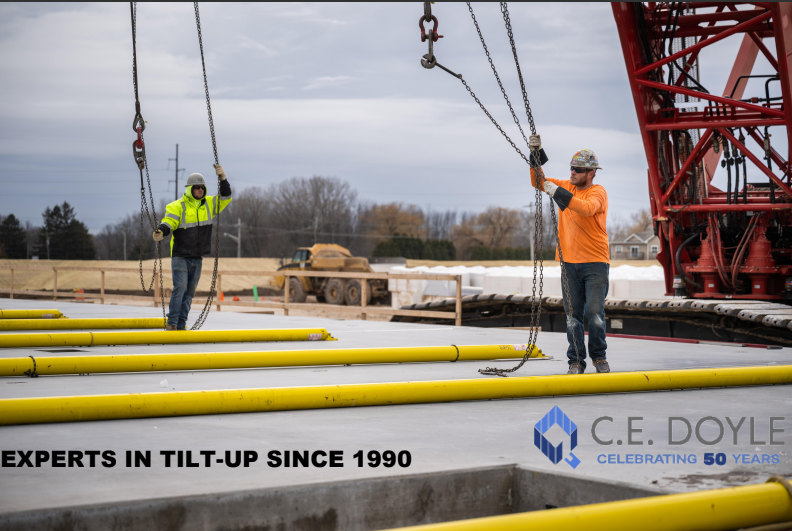
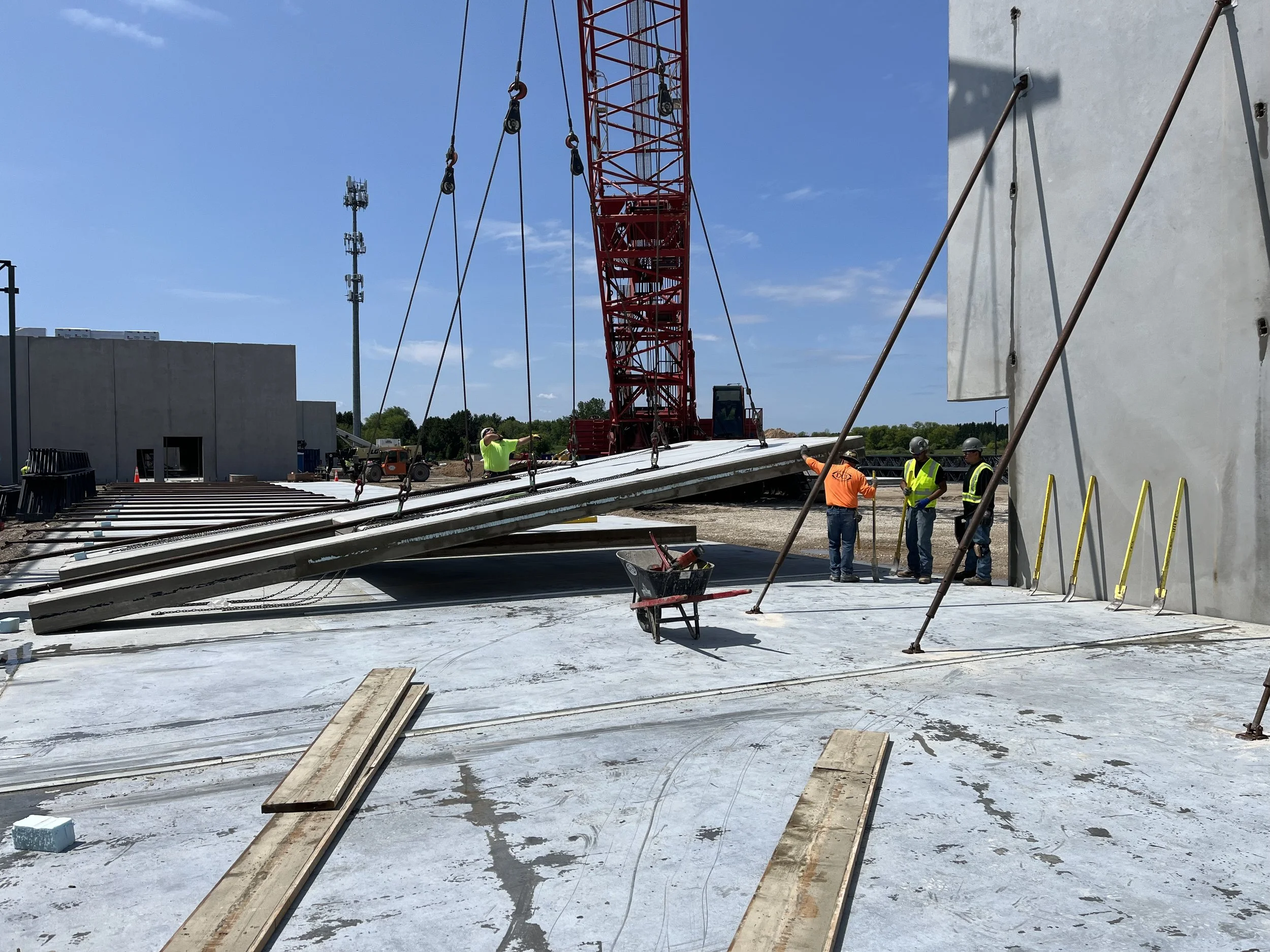
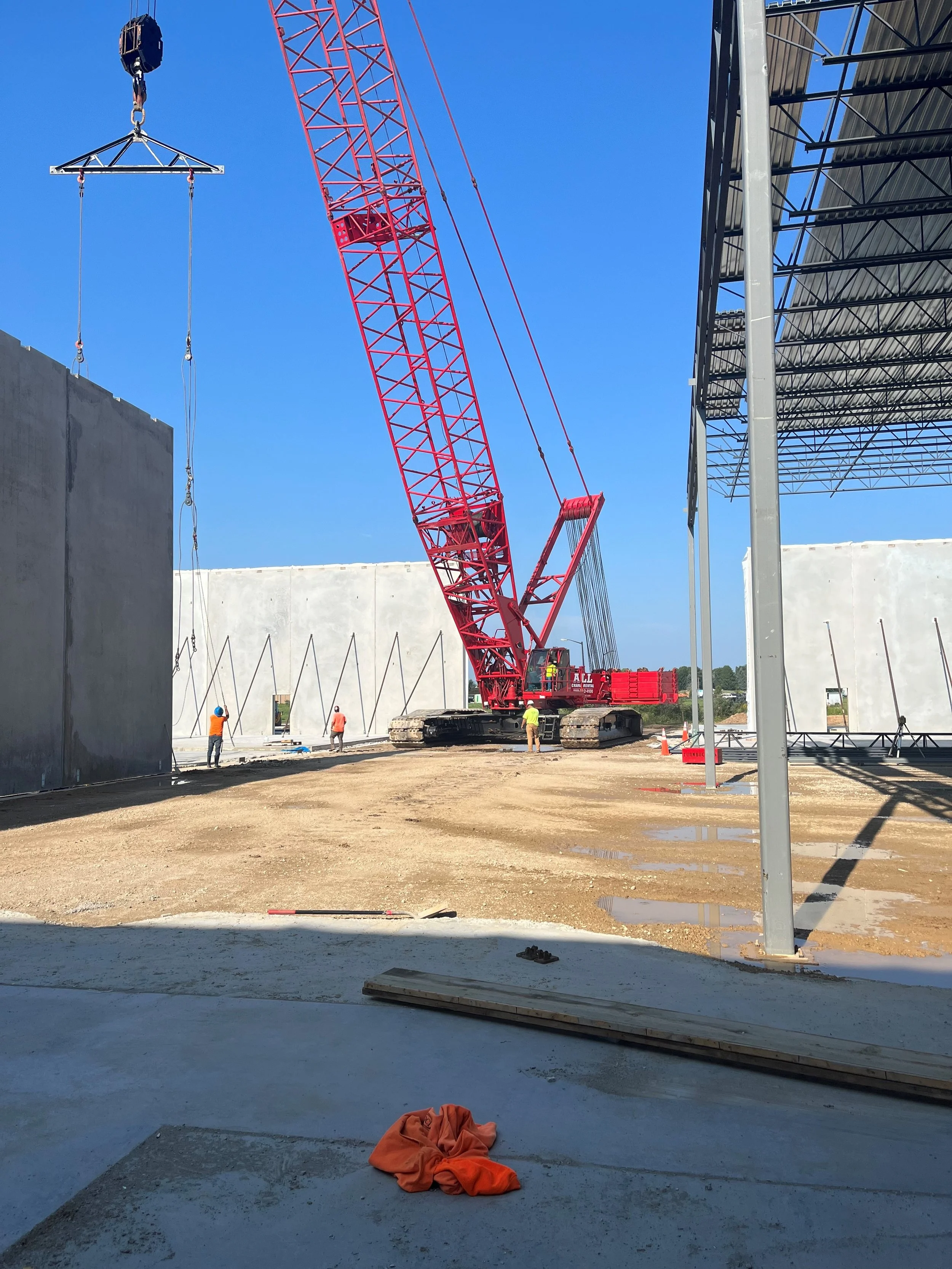
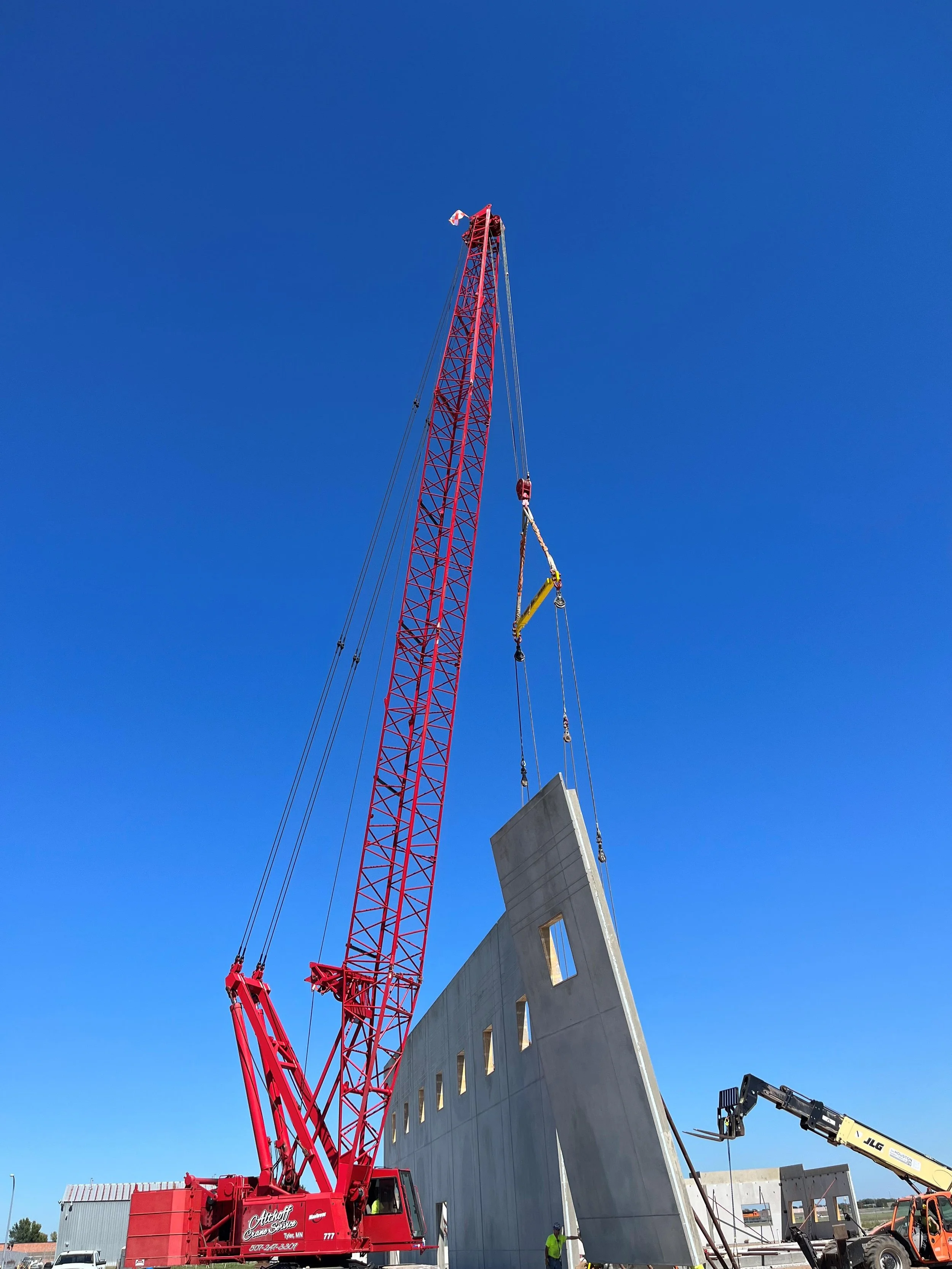
Tilt-Up concrete construction has been a cornerstone of C.E. Doyle’s history for decades. Our team has delivered tilt-up structures across a wide range of commercial and industrial applications, combining efficiency, durability, and design flexibility.
With deep experience in tilt-up engineering, planning, and construction, C.E. Doyle helps owners take advantage of one of the most reliable and cost-effective building systems available today.
Why Owners Choose Tilt-Up Construction
Durability and Low Maintenance
Concrete tilt-up structures are extremely durable and resistant to weather, impact, and wear. The materials require minimal long-term maintenance and are easy to clean and maintain over time.
Cost-Effective Construction
Tilt-Up provides a cost-effective solution for non-combustible building construction. The process reduces material handling, shortens construction schedules, and often lowers overall project costs compared to other building systems.
Flexible Design Possibilities
Tilt-Up panels allow for large clear spans and flexible building layouts. Exterior panels can incorporate architectural finishes such as brick, coatings, inlays, custom logos, and decorative reveals.
Continuous Insulation Systems
Tilt-Up panels can incorporate continuous edge-to-edge insulation with thermally broken connections. This helps improve building performance and reduces energy loss.
Improved Energy Efficiency
The natural thermal mass of concrete helps regulate building temperatures throughout the day. This can improve occupant comfort and reduce heating and cooling demands.
Reduced Mechanical System Costs
Because tilt-up buildings maintain more stable interior temperatures, HVAC equipment sizes and energy usage can often be reduced. This can lower both initial system costs and long-term operating expenses.
Architectural Appeal and Long-Term Value
Tilt-Up structures offer a more refined and durable exterior compared to many pre-engineered metal buildings. Owners benefit from improved aesthetics and stronger long-term return on investment.
Compatible Structural Systems
Tilt-Up structures commonly integrate with conventional bar-joist and metal decking roof systems, along with low-slope membrane roofs and parapet walls. This creates a flexible and widely accepted construction system.